

Recently, we invited some students at the Independent School Eco Tech Fair to share what they would ask an animal if they could talk to it. We received some entertaining and thoughtful answers. However, one response stood out as quite sombre; a student said she would ask a sea turtle how it felt to mistake a plastic bag for a jellyfish. It was encouraging to see a young person so sensitive to the issues affecting the marine environment, particularly plastic pollution and its implications for sea life.
Plastic pollution affects all seven species of sea turtles. Turtles see plastic litter, especially anything that resembles jellyfish, as food. When eaten, plastic clogs their digestive tracts leading to internal injury, and in most instances, death. Plastic ingested by sea turtles also causes buoyancy problems, disrupting their ability to dive and regulate their position in the water. This can result in floating near the surface, where they are more vulnerable to predators, boat strikes, and entanglement in fishing gear. Plastics can also release toxic chemicals that affect their overall health in the long term.
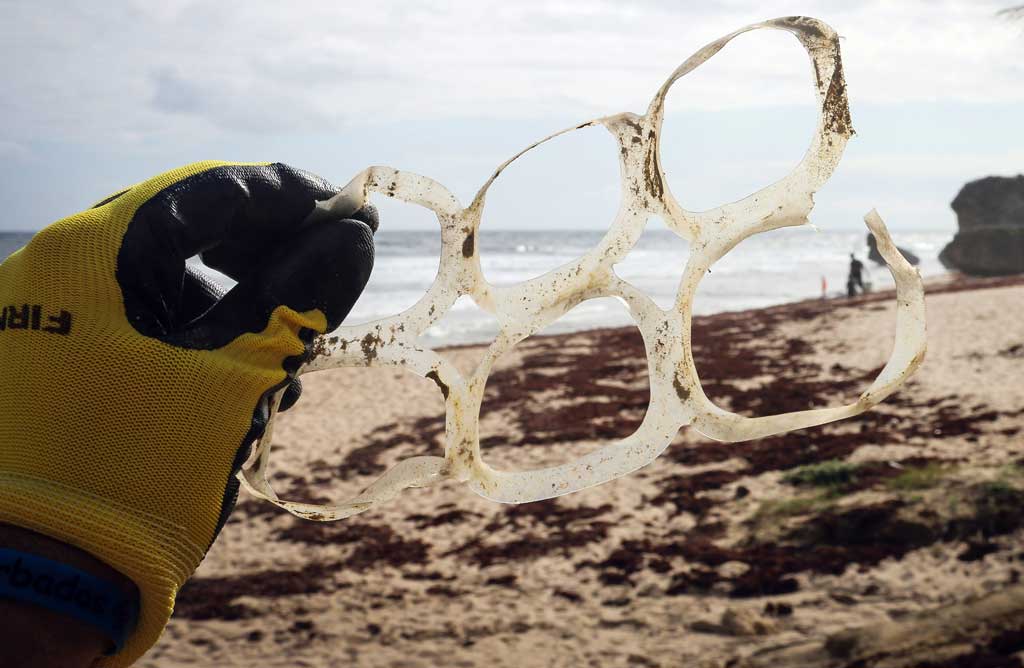
Plastic entangles causing animals to drown, starve, or get injured (Brian Yurasits - Unsplash)
Entanglement is another serious threat. Sea turtles frequently become ensnared in plastic debris such as packaging straps. This hinders movement and can result in injury or death. Alarmingly, all seven species of sea turtles are now documented to have microplastic contamination. Research has even found that hatchlings ingest microplastics upon entering the ocean. Furthermore, plastic debris on nesting beaches hinders adults from laying eggs and ensnares or obstructs hatchlings on their critical journey to the ocean.
Plastic pollution presents a threat to marine life in two major ways: entanglement, causing animals to drown, starve, or get injured, and ingestion, where they develop serious health problems from chemical poisoning, internal scarring, or blockage.
In 2023, researchers working with Flesh-footed shearwaters in Lord Howe Island, Australia, discovered a new condition affecting the digestive tracts of these birds, which they called “plasticosis.” The illness occurs when birds, mistaking pieces of plastic for food, get internal scarring in their digestive tracts.

Seabirds spend a lot of their time in the ocean (Photo of a Wedge-tailed shearwater, Cousin Island)
According to the study published in the Journal of Hazardous Materials, this condition is caused solely by plastic, and the term “plasticosis” was coined to make this fact clear. Seabirds spend a lot of their time in the ocean. Scientists believe the plasticosis affects other seabirds.
Plastic pollution now spans the entire marine food chain, posing serious threats through physical harm, toxicity, and ecological imbalance.
As we observe Plastic Free July, an international campaign to reduce plastic pollution, now is as good a time as any to take a look at our plastic use. Every piece of plastic we can skip, reuse, or recycle will help ease the burden on sea turtles and other marine animals. Whether it’s mindful shopping that reduces plastic packaging, declining to use single-use plastics, or participating in a beach clean-up, every effort helps. Let’s use this month as motivation to create lasting change, for the sake of sea turtles, seabirds, and all living things in our oceans.