
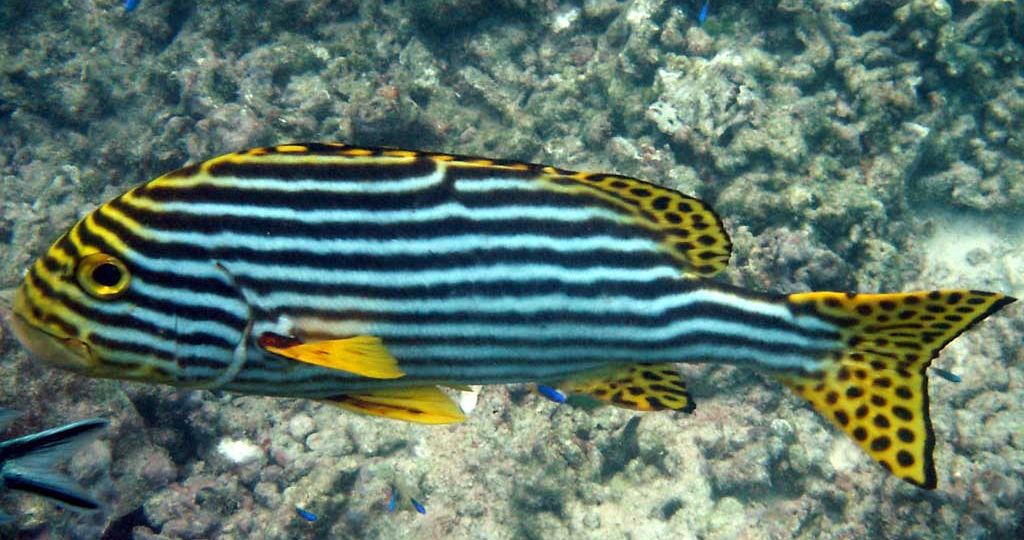
A new study by researchers from the University of Newcastle upon Tyne and from Australia and the Seychelles, has shown that the coral bleaching of 1998 has completely destroyed many coral reefs in Seychelles.
In 1998, sea surface temperatures in the Indian Ocean increased dramatically. The Western Indian Ocean suffered most because of an interaction between El Nino and another periodic climate phenomenon called the Indian Ocean dipole. This resulted in the bleaching of more than 90 per cent of the coral around the inner islands of Seychelles.
Bleaching happens when an increase in sea surface temperatures pushes corals over their tolerance and causes specific photosynthetic algae they live in symbiosis with to be rejected. This is what makes their white “skeleton” visible and leads to widespread death if they cannot retrieve symbiotic algae species in time.
The results of the study are found in a paper, entitled “Dynamic fragility of oceanic coral reef ecosystems”, to be published at the end of this month in the Proceedings of the National Academy of Sciences. In 2005, the study team surveyed 21 sites comprising of more than 50,000 square meters of coral reefs in the inner islands of the Seychelles. The researchers compared new information with results of a similar survey in 1994 before the bleaching.
The research showed that, while the 1998 event was devastating in the short term, the main long-term impacts are that the damaged reefs have not been successfully re-colonised with new coral and thus have not recovered. Many of the reefs have collapsed into rubble which then becomes covered by opportunistic marine species, mostly “weedy” species of fast growing algae.
The study showed that the average coral cover in the area surveyed is now only 7.5 per cent. Coral loss at this scale has very serious implications. Food and shelter from predators, for a large and diverse amount of marine life disappear when there are no corals.
Four fish species, including butterfly fish, wrasses and damsel fish, which were in existence in 1994 were not seen in the new survey and have probably become extinct locally. Six, other fish species, a file fish, three butterfly fish and two damsel fish, are now at very low numbers. Their continuing decline could end up in their disappearance as well.
The diversity of the fish community has been severely reduced by 50 per cent in the heavily impacted sites. Smaller fish have declined in number more quickly than larger species and their decrease has started to have a lasting impact on the food web. This effect is likely to be accelerated as time goes by. The observed decrease in herbivorous fish is also very troubling as they control algal spread.
The lack of recovery of the coral from bleaching is probably because there are few or no healthy reefs nearby which can provide larvae that can settle and grow into new coral structures. The absence of favorable sea currents to transport the larvae is another factor.
However, the potential saving grace in this story is the existence of granite reefs. This habitat exhibits less algal overgrowth following coral death and is more resistant to marine erosion. Some of the outer islands also still offer healthy coral reefs.