
World Environment Day 2026 is here, bringing with it a powerful and urgent call to action: #NowForClimate.
“For decades, the world has heard the climate story—warnings, targets, distant deadlines. Too often, the response has been clouded by noise: delay, distraction, denial. But listen closer now. Beneath the noise, another signal is rising. Solar panels stretch across rooftops. Wind turbines line the horizon. Cities are being redesigned for people. Forests are being replanted. Climate solutions are taking root in every corner of the planet,” says the UN Environment Programme in its message this year.
At Cousin Island Special Reserve, managed by Nature Seychelles, climate change is a daily reality that conservationists are actively addressing. While the signs are visible, so are the responses.
Coral Reefs

Repeated mass bleaching has affected Seychelles' corals (Photo - Hugo Bret)
The most visible impact of the climate crisis has been on our coral reefs. Rising sea temperatures are causing more frequent and severe coral bleaching events throughout the region.
In 1998, during the El Niño phenomenon, Seychelles lost extensive coral cover. Since then, we’ve faced repeated bleaching events, including significant global occurrences in 2016 and 2024, which have put immense stress on our reef ecosystems and hindered their recovery.
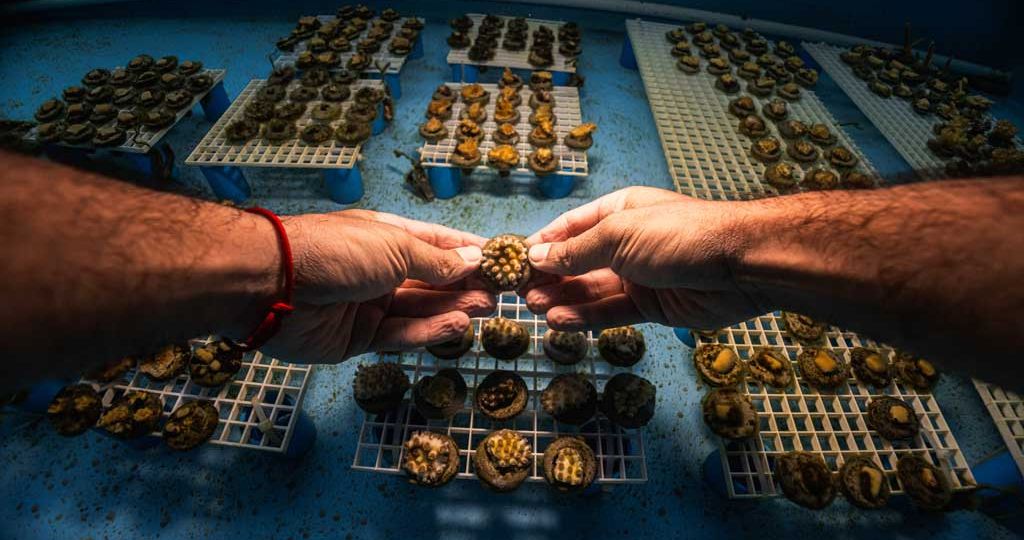
In response to this crisis, Nature Seychelles kicked off the Reef Rescuers programme in 2010, marking one of the region’s first coral restoration initiatives. Using coral gardening, underwater nurseries, and land-based aquaculture, thousands of corals have been cultivated and replanted, helping to revive over two hectares of damaged reef. But the goal is not only restoration, it is also building resilience and sharing knowledge.
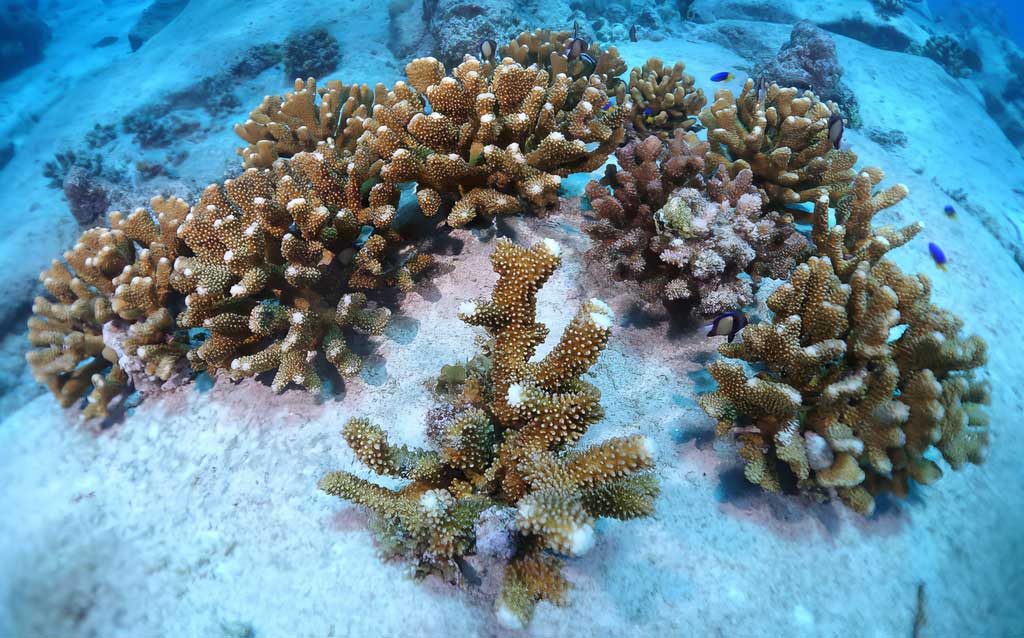
Nature Seychelles has been restoring reefs around Cousin Island since 2010
The Assisted Recovery of Corals (ARC) Facility, which includes a land-based nursery and a Coral Spawning Lab, supports this mission. And so does the Centre for Ocean Restoration Awareness and Learning (CORAL) – a hub for research and knowledge sharing that trains coral restoration practitioners on-site, and the freely accessible toolkit for coral reef restoration aimed at cascading lessons learned at Cousin Island.
The Reef Rescuers has received support from USAID, the Adaptation Fund–UNDP–Government of Seychelles partnership, SeyCCAT, CMA CGM, CANON/Coral Spawning International, local businesses on Praslin Island, the community and hundreds of volunteers.

To support resilience, innovations such as the land-based coral nursery and the Coral Spawning Lab were set up
Despite these gains, climate change is outpacing the funding available for restoration efforts. While the work has shown that damaged reefs can recover, financial resources still fall far short of what is needed to match the scale of degradation.
Wildlife and their habitats
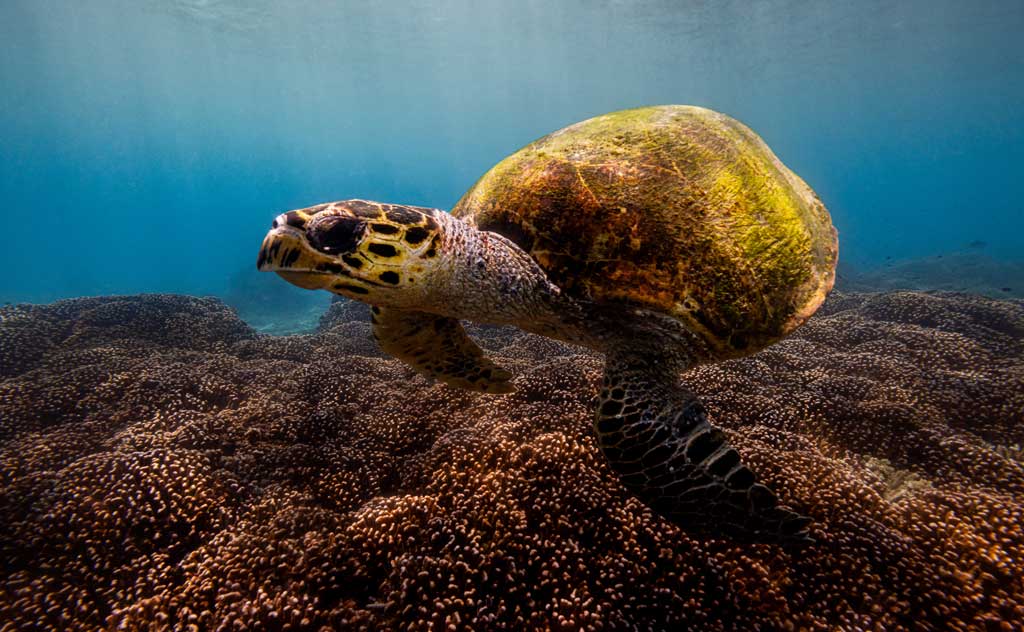
Climate change is also affecting species that depend on healthy coastal ecosystems (Photo: CANON-World Unseen)
Sea turtles are face increasing risks from rising temperatures and sea-level rise. Erosion and coastal change reduce available nesting habitat, while nest temperatures can alter hatchling sex ratios, with long-term implications for population survival.
Cousin Island is one of the most important nesting sites for Hawksbill turtle nesting. At Cousin Island, the Turtle Team conducts annual monitoring of the critically endangered Hawksbill turtle, working in real time to respond to these changes, including relocating nests threatened by erosion. Collaborating with OceanLabs and with funding from the Huawei–IUCN Tech4Nature initiative, we developed the NEST (Nest Electronic Surveillance of Turtles) device, which automatically monitors and transmits nest environmental data such as temperature, humidity, and oxygen levels.

Turtles nesting on Cousin Island face increasing risks from rising temperatures and sea-level rise
Seabirds, nesting in the hundreds of thousands on Cousin Island, are also at risk. Fluctuations in ocean temperature can impact fish availability, while more intense storms can affect nesting sites and hinder breeding success.
For over 50 years, Cousin Island has also shown what effective conservation can achieve. Native forests have been restored, invasive species have been managed, endangered birds have been safeguarded, and ecosystems have been revitalised.
These initiatives are crucial now more than ever. Healthy ecosystems are more resilient, and protected habitats provide wildlife with the best chance to adapt to changing conditions.
Carbon-neutral Cousin
Other efforts to adapt to climate change have included lowering the reserve’s carbon footprint by transitioning to solar power, which cuts down on fossil fuel dependence and reduces greenhouse gas emissions linked to conservation and tourism efforts. We also made Cousin the World’s 1st carbon neutral nature reserve by measuring emissions associated with the island, reviewing opportunities for ongoing reductions and investing in high-quality carbon credits.

For over 50 years, Cousin Island has also shown what effective conservation can achieve
Wetlands of Hope
Beyond Cousin Island, the EU-funded Wetlands of Hope project has made significant progress in establishing partnerships to manage coastal wetlands, including the crucial mangroves in Mahé. Often overlooked, mangroves are some of Seychelles’ strongest allies in the fight against climate change. They help stabilise shorelines, curb erosion, act as a buffer against storm surges, and shield coastal communities from the effects of rising sea levels. Additionally, they offer crucial habitats for fish and birds while sequestering significant amounts of carbon, which is essential for both adapting to and mitigating climate change. By enhancing wetland management, we can ensure these ecosystems continue to serve as indispensable natural infrastructure in our ever-changing climate.
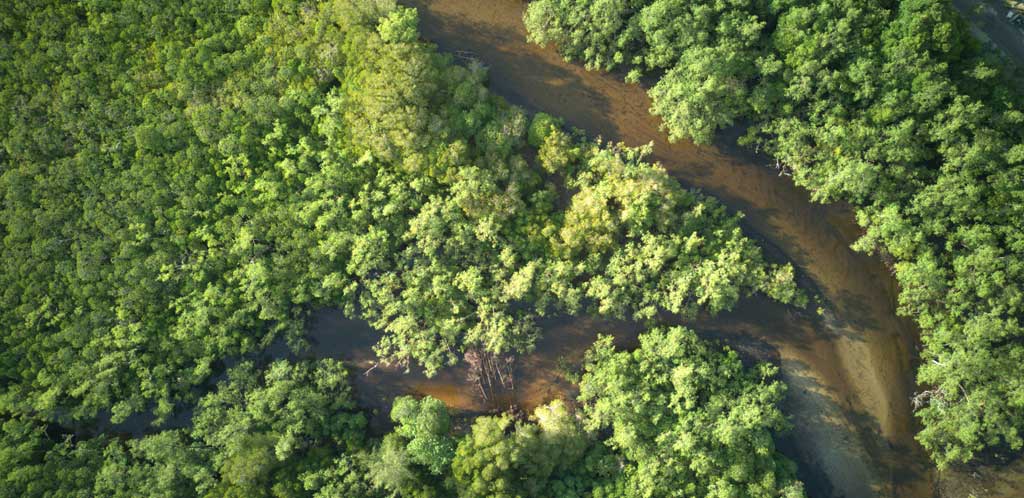
Mangroves are some of Seychelles’ strongest allies in the fight against climate change