
Nature Seychelles has been prominently featured in “Back to Blue: Indian Ocean – On the Frontline,” an initiative by the Economist Impact and The Nippon Foundation. This initiative combines science, data, and storytelling to showcase evidence-based solutions to the most pressing challenges facing our oceans, shifting the conversation from despair to proactive measures.
It highlights the Western Indian Ocean as a crucial “frontline” in the fight against the climate crisis, and situates small island nations like Seychelles at the centre of the climate-ocean conversation, recognising that they are also emerging as laboratories for solutions.
It is within that context that Nature Seychelles’ coral restoration work is profiled as a model of applied science in action, with extensive interviews of its Chief Executive, Dr Nirmal Shah.
Nature Seychelles has dedicated itself to conserving Seychelles biodiversity, including the remarkable rescue of endangered birds from the brink of extinction and the restoration of whole island ecosystems. This legacy of evidence-based conservation has paved the way for the Reef Rescuers coral restoration project, supported by various donors, the government, and private sector partners.
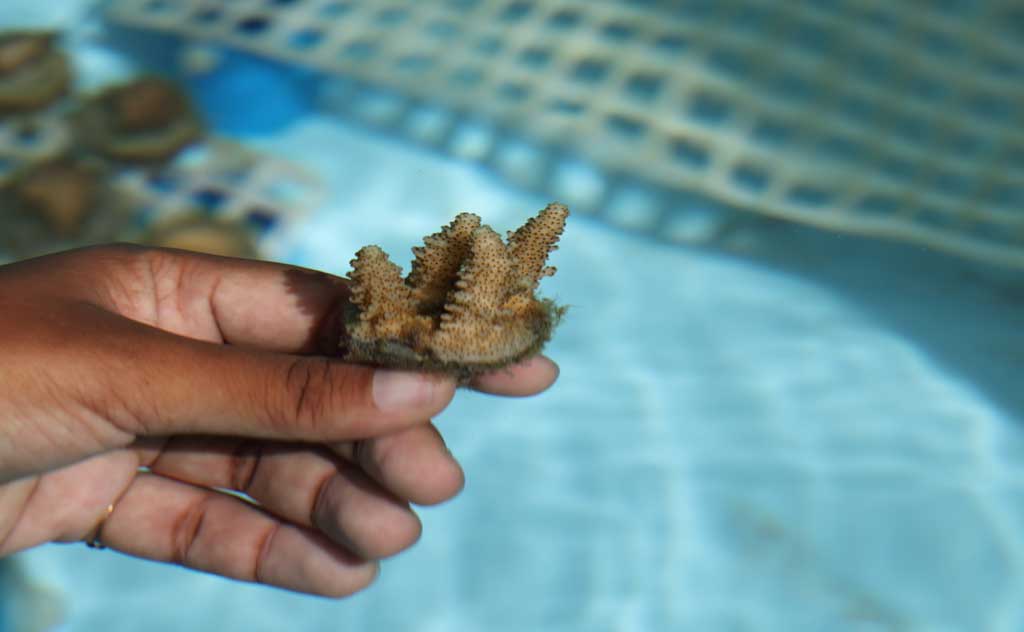
Through techniques like coral gardening and, more recently, micro-fragmentation and coral spawning, research, and training of reef restorers, the NGO has successfully propagated and transplanted thousands of coral fragments to damaged reef areas.
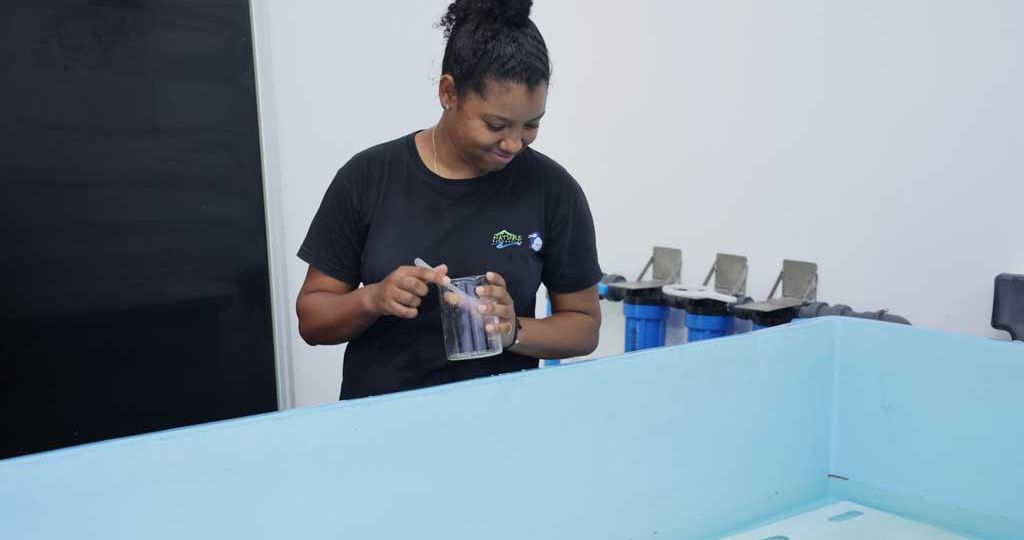
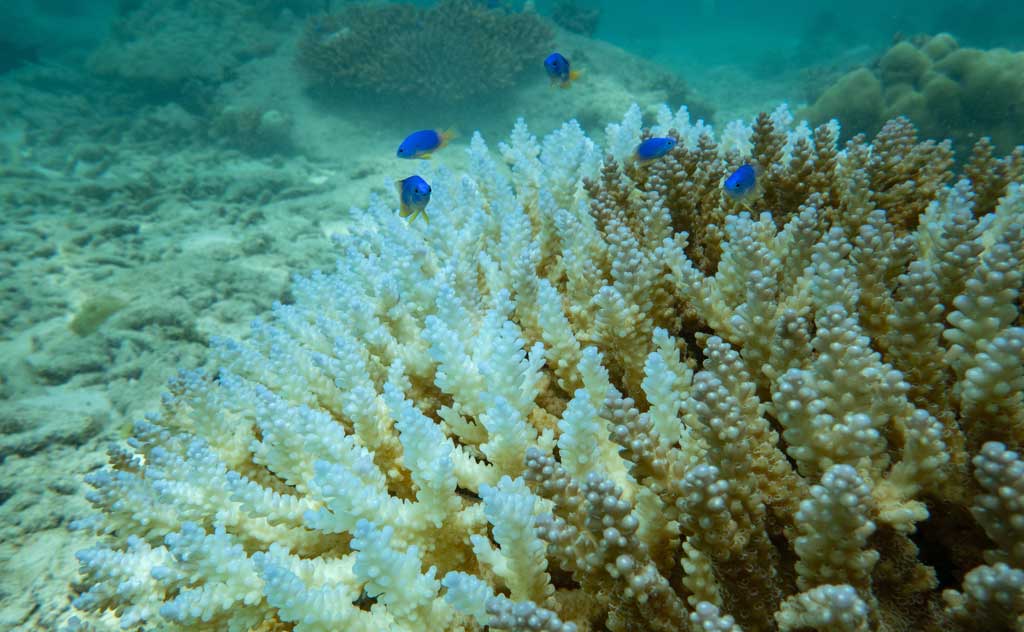
The launch of the Assisted Recovery of Corals facility is highlighted as another significant achievement. By cultivating corals in controlled environments, scientists can enhance survival rates and improve restoration outcomes, especially as bleaching events become more frequent. New innovative spawning methods help restore diversity and structural complexity essential for coral reef resilience.
By hosting and training practitioners from Seychelles, Mauritius, Kenya, Tanzania, and Madagascar, Nature Seychelles has ensured that the skills learned on the frontlines of the Seychelles are spread across the region.
Dr. Shah reflected in the feature: “We cannot sit back and wait for global emissions to fall before we act locally. Restoration is about building resilience now, while continuing to advocate for stronger climate action.”
This dual strategy – local restoration paired with global advocacy – is essential. Without major cuts in greenhouse gas emissions, reefs around the globe will continue to face serious threats. Restoration buys time. It keeps ecosystems functioning, supports livelihoods, and showcases what’s possible.
Crucially, Back to Blue frames ocean degradation not only as an environmental crisis, but as a financing challenge.
The feature sheds light on the growing “ocean funding gap”- a significant disparity between the investment needed to restore marine ecosystems and the limited funds currently directed toward sustainable ocean initiatives.
Dr Shah emphasised this point, saying that coral reefs are natural capital, generating economic value through fisheries, tourism and coastal protection. Yet globally, only a fraction of what is needed to secure those returns is invested. Closing the ocean funding gap is not optional – it is essential for climate resilience and economic stability in island states. Bridging this gap will necessitate mobilising both public and private finance at scale, and aligning capital with measurable, science-based outcomes.
International recognition from Back to Blue highlights the incredible work happening in Seychelles, work that’s made possible by dedicated scientists and volunteers, generous donors, committed partners, and a community that understands that the ocean is intertwined with our wellbeing.
The extensive feature is available online at this link: https://backtoblueinitiative.com/indian-ocean-on-the-frontline/