
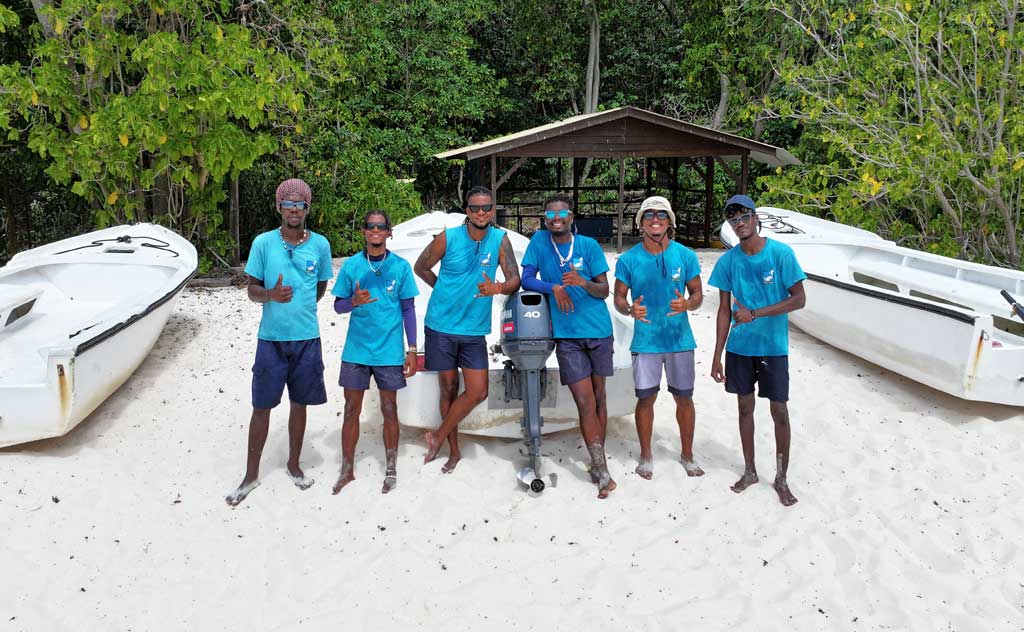
Picture a job that blends the talents of an ecotourism guide, a boat operator, a conservationist, a biosecurity officer, an island manager, and a watchful enforcer. This is the everyday life of the wardens at Cousin Island Special Reserve, who embody a multifaceted approach that’s crucial for safeguarding this beautiful ecosystem.
As we commemorate World Rangers Day (July 31) and Marine Protected Areas Day (August 1), we pay tribute to these devoted young Seychellois who play a vital role in one of the world’s most remarkable conservation success stories.
Life in the Day of a Cousin Island Warden
A typical day in the Special Reserve kicks off with the exhilarating morning buzz of ecotourism. Guests arrive by boat, and the wardens expertly carry out a careful and thrilling landing protocol that protects the island’s unique species from harmful pests. It’s a task that demands incredible skill and timing, setting the stage for an action-packed day.
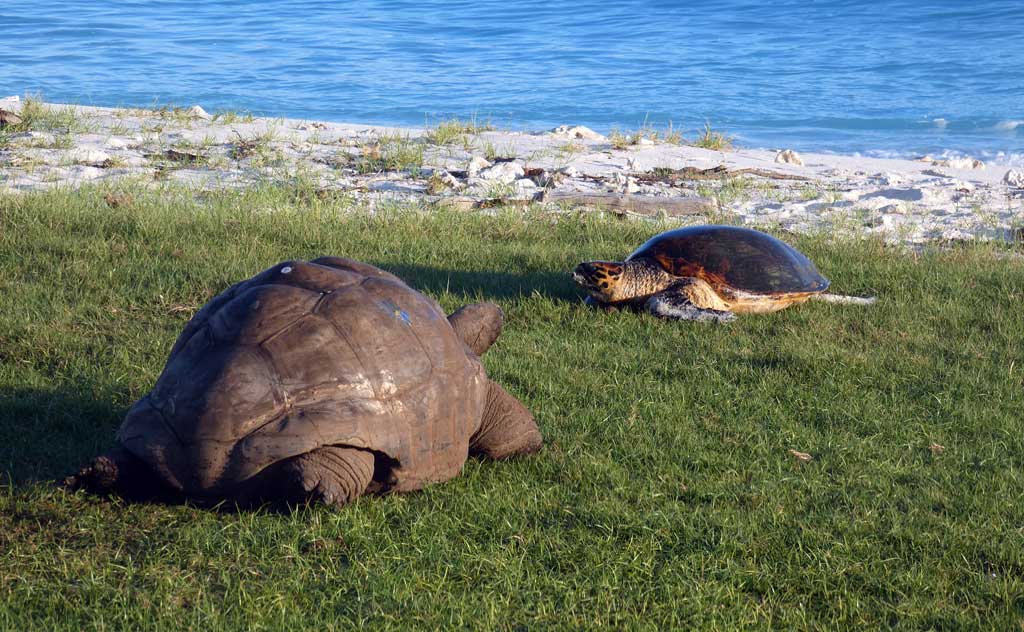
From there, they smoothly shift into their roles as tour guides. The wardens are passionate storytellers, sharing the island’s fascinating journey from a coconut plantation to a conservation sanctuary. They highlight the comeback of species like the Seychelles Warbler, Magpie Robin, and Fody, while showcasing local wildlife and vegetation, including seabirds, lizards, crabs, giant millipedes, and the iconic giant tortoises. Their ability to engage visitors in multiple languages deepens the appreciation for nature conservation.
In the afternoon, the team shifts their attention to conservation efforts, which include monitoring seabird breeding success, conducting censuses, managing invasive plant species, and tracking Hawksbill turtles during their nesting season. The information they collect is vital for Nature Seychelles’ ongoing conservation management programs.
Behind the scenes, the wardens make sure their equipment is in top shape. They also carry out regular patrols to keep an eye out for illegal activities and enforce regulations within the marine protected area.
“Working in a Special Reserve is both mentally and physically challenging. But the most fulfilling part is witnessing endangered species thrive and knowing that our efforts truly make a difference. We have to be adaptable, great communicators, self-sufficient, and deeply committed to conservation to excel in this unique environment,” shares Christopher Mahoune, the Chief Warden.
Cousin Island – a shining example of a land and sea reserve
Cousin Island’s remarkable transformation shows what dedicated nature conservation can achieve. Once a struggling coconut plantation, it was bought in 1968 and turned into a nature reserve, setting off a series of events that helped bring species and habitats back from the edge. Today, it stands as a living example of conservation of whole-island ecosystems.
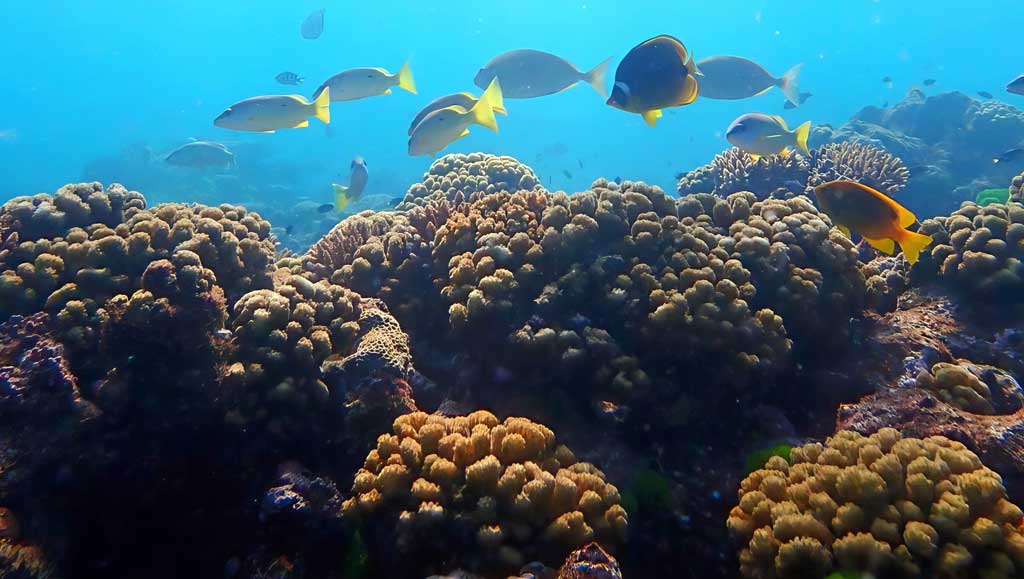
In the marine protected area, a long-term coral reef restoration project is underway, aimed at reviving damaged reefs and monitoring the health of the surrounding marine ecosystem. The global impact of this effort has been incredible, reinforcing the Special Reserve’s role as a model for conservation.
Protected areas are essential for preserving biodiversity, maintaining healthy ecosystems, and supporting sustainable livelihoods. Their success depends on the skills and commitment of rangers. “The wardens serve as the vital link between policy and action, connecting the protected status on a map to the vibrant ecosystems that thrive both on land and beneath the sea,” concludes Dr. Nirmal Shah, Chief Executive of Nature Seychelles.