
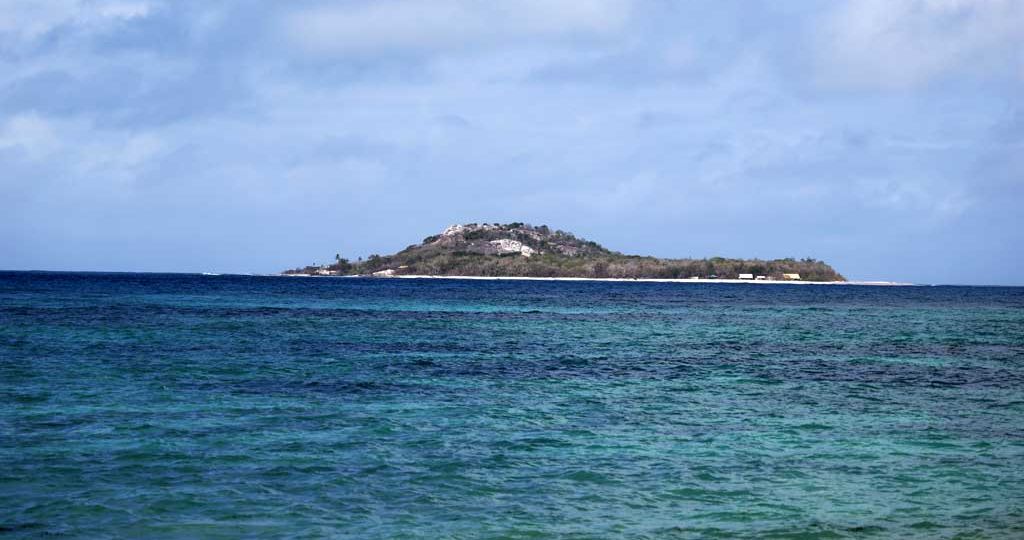
Every September 27th, the world observes World Tourism Day, commemorating the transformative power of tourism to unite people with nature, culture, and one another. In Seychelles, one of the best examples of responsible, nature-based tourism in action is Cousin Island Special Reserve.
Bought in 1968 to safeguard the last Seychelles warblers, Cousin is one of the world’s first whole island and sea reserves. Now run by Nature Seychelles, Cousin has a set of best practices in place that optimise nature conservation and a high-quality visitor experience.

These begin with minimising impact. Only half-day visits on weekdays are allowed. The Reserves’ boats disembark visitors to prevent the introduction of pests that could harm biodiversity. There are no picnicking or overnight stays, and the island has no shops. Visitors are not allowed to remove shells, plants, or souvenirs to protect the island’s natural heritage. There are guidelines for photography; large equipment, bright flashes or tripods that disturb the animals are not allowed, neither is smoking and littering.
Visitors to the island are guided by trained wardens who lead them along established nature trails, protecting fragile ecosystems and ensuring nesting and breeding areas remain undisturbed.
They explain the island’s ecology and conservation story, ensuring each tour is a learning experience.
For many visitors, observing endemic birds like the Seychelles Magpie, seabirds nesting nearby, a giant tortoise in plateau, or a nesting turtle is truly unforgettable. These experiences are carefully managed to ensure the protection of wildlife.

These measures ensure that while thousands of visitors partake in Cousin’s magic annually, the island remains a thriving sanctuary. Visitors leave with understanding, respect, and sometimes, inspiration to protect nature elsewhere.
With the growing number of people eager to explore the great outdoors, emphasising ethical travel practices, whether on land or at sea, has never been more crucial.
What are the general best practices that people should keep in mind?
Respect the rules. Whether in or outside protected areas, rules, regulations, and guidelines are in place to protect delicate ecosystems. When planning your visit, familiarise yourself with and area and its specific rules and regulations.
Keep a distance from wildlife on land and at sea. Instead of getting too close to animals, grab some binoculars or a camera with a zoom lens to enjoy a better view.
Never pursue or harass animals for photos. Be a conscious photographer; think of photography as a way to show appreciation rather than cause disruption. When you share your photos and stories on social media, emphasise the importance of being ethical.

Leave no trace. Take all your litter with you, minimise your impact, and do not destroy natural habitats. Leave plants, shells, and other natural “souvenirs” untouched. Steer clear of nesting sites or burrows.
Prioritise sustainability. Bring reusable bottles and utensils and use eco-friendly products for barbeques and picnics. Steer clear of single-use plastics that could pollute the environment and the ocean.
Use local guides who can offer insights and help keep your visit safe for wildlife. Opt for and applaud guides and businesses that prioritise conservation, animal welfare, and sustainable practices. Give insightful feedback. Contribute to conservation efforts.
In the ocean, while snorkelling, diving, or boating, never touch marine creatures or corals. Keep a respectful distance from marine life. Do not step on or anchor on reefs or seagrass beds. Use reef-safe sunscreen to avoid harming corals with chemicals.