
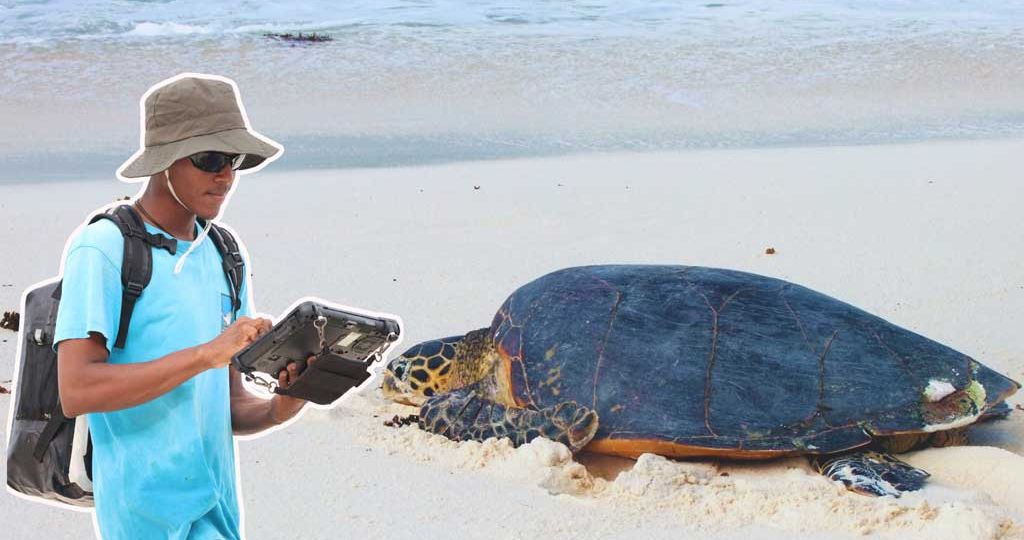
The global push to protect 30% of the planet by 2030 is missing a vital part of the picture: the people who make conservation possible. A new study finds that rangers remain largely invisible in global environmental policy.
Countries have set ambitious biodiversity targets, including conserving 30% of land and sea by 2030. Yet global conservation frameworks focus heavily on protected areas and funding, while paying far less attention to the people responsible for managing and protecting them.
A research paper published in Ambio in October 2026, titled “The ‘ranger blindspot’: Global policy and implementation gaps,” measures this oversight. Its findings show that rangers and the broader conservation workforce are largely absent from global environmental policy and national planning.
The researchers examined 45 global environmental governance documents and 21 National Biodiversity Strategies and Action Plans (NBSAPs). Ranger-related terms appeared just 0.46 times per 10,000 words in global policy documents, compared with 32.15 mentions for area-related terms and 37.88 for finance-related terms.
Just two of the 45 global documents formally recognised rangers as a workforce and included them in policy and planning. None of the convention texts reviewed mentioned rangers. The findings point to a significant gap between conservation goals and the people needed to achieve them.
The researchers also compared how often rangers are mentioned in environmental governance with references to healthcare workers in a global health framework. Healthcare workers appeared almost 53 times more frequently, revealing a stark difference in how the two sectors recognise the people responsible for delivering their goals.
The people behind protected areas
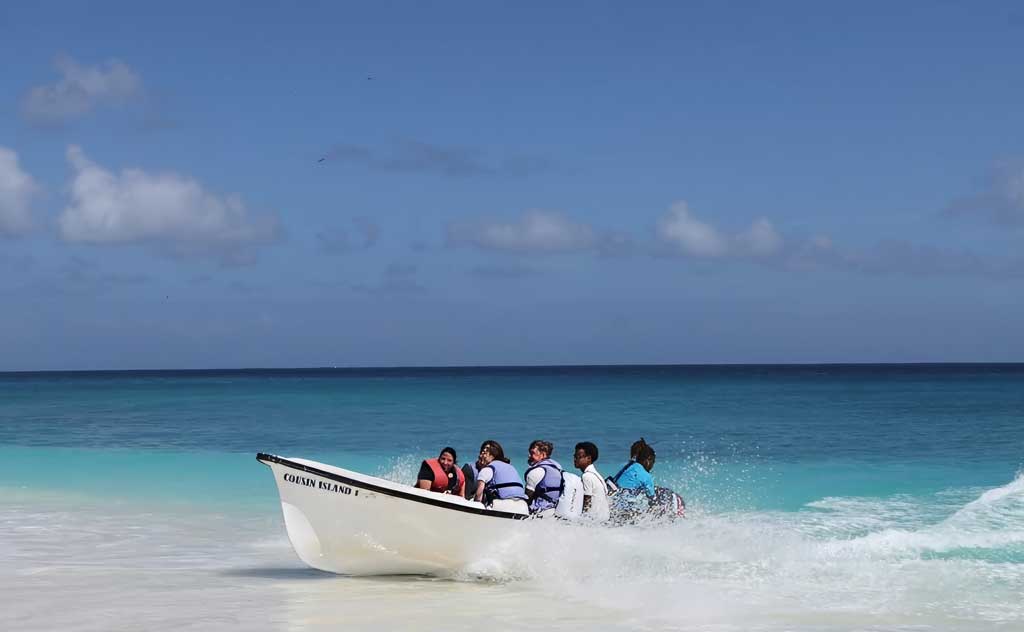
On Cousin Island Special Reserve, wardens manage one of Seychelles’ important conservation sites
Rangers are not limited to the familiar image of a uniformed officer patrolling against wildlife crime, the study notes. The term also covers marine and community rangers, Indigenous stewards, wildlife scouts, fishery patrol officers and others who protect, monitor and manage ecosystems.
Their work ranges from biodiversity monitoring and habitat management to enforcement, community engagement, restoration and safeguarding natural resources. On Cousin Island Special Reserve, wardens carry out daily work that is vital to protecting one of Seychelles’ important conservation sites.
They monitor wildlife, protect habitats, manage visitors and biosecurity, maintain the reserve and conduct surveillance. Their work also underpins long-term conservation research and management, from tracking nesting sea turtles and seabirds to gathering data that helps guide decisions about the island’s ecosystems.
Without recognition in policy, however, the workforce can be left out of planning, funding, training and support.
As Valerie Hickey of the World Bank, a co-author of the study, put it: “If a workforce is not named, it cannot be planned for. If it is not planned for, it will not be funded, and if it is not funded, it cannot deliver what it’s intended to deliver.”
This is a reality conservation organisation such as Nature Seychelles are familiar with.
Conservation targets need people
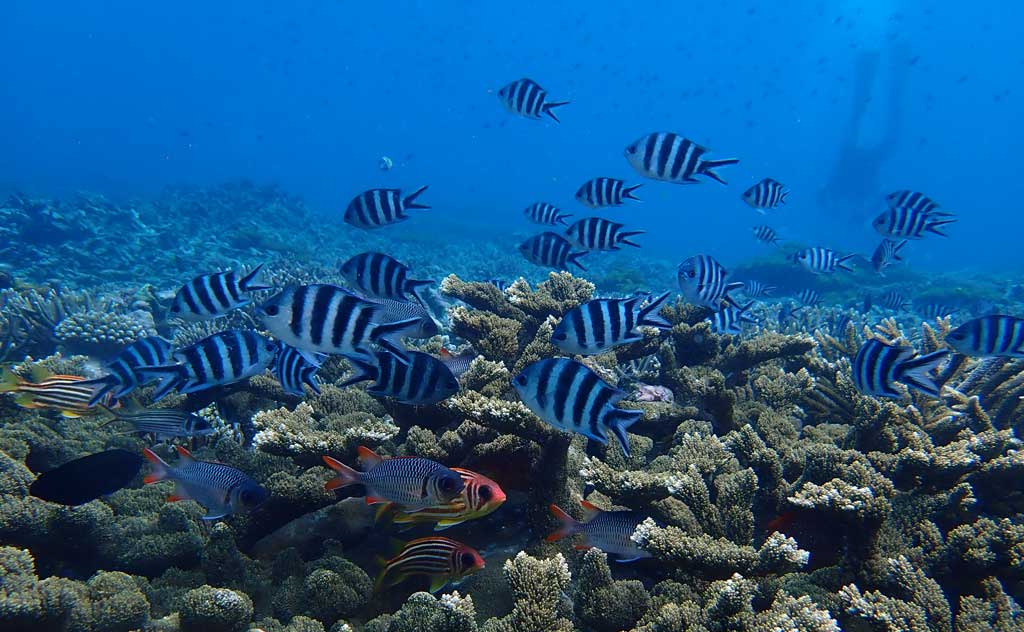
Biodiversity commitments need more than targets, they need people
The study cautions that ambitious conservation targets cannot be met simply by designating protected areas. If the global 30-by-30 target is to be achieved, an estimated 1.5 million additional rangers will be needed, highlighting the scale of investment required in the conservation workforce.
At COP17, where the findings were presented at a press conference, researchers and conservation advocates called for rangers to be better recognised in national and international biodiversity policy. They also urged improved funding, professional development, stronger networks and greater representation in global decision-making.
Biodiversity commitments need more than targets, funding and protected-area boundaries. They need the people who work every day to make conservation happen.
Source: The “ranger blindspot”: Global policy and implementation gaps. https://link.springer.com/article/10.1007/s13280-026-02496-7