
PRESS RELEASE | 16 October 2026
As a new forecast warns of another potentially devastating coral bleaching event, Nature Seychelles is calling for the urgent establishment of coral biobanks, where living corals representing different species and genetic lineages can be saved and maintained. “We want the upcoming UN Biodiversity and Climate Change conferences to deliver concrete action and funding to save coral reefs,” said the organisation’s CEO Dr Nirmal Jivan Shah.
An experimental forecast issued by the US National Oceanic and Atmospheric Administration (NOAA) on 6 October indicates substantial marine heat stress across the western Indian Ocean through January 2027, raising the risk of widespread coral bleaching and mortality.
Seychelles’ reefs have already suffered repeated bleaching events, leaving many coral communities struggling to recover. Further losses would threaten fisheries, tourism, coastal protection and marine biodiversity.
“We see more monitoring and more reports but we cannot keep watching our reefs die and hope the next bleaching event will spare what remains,” says Shah. “We must protect surviving reefs and accelerate restoration, but we must also save the coral species and genetic diversity that could disappear forever. A coral biobank would do that.”
Just as seed banks preserve the genetic diversity of plants against extinction, coral biobanks would safeguard living coral species and their genetic diversity, providing a vital resource for future reef restoration and recovery. Coral biobanking is gaining international attention. Leading scientific institutions, including the Smithsonian Institution and the G20 Coral Research and Development Accelerator Platform (CORDAP), want to see the preservation of coral diversity through living collections and cryopreservation.
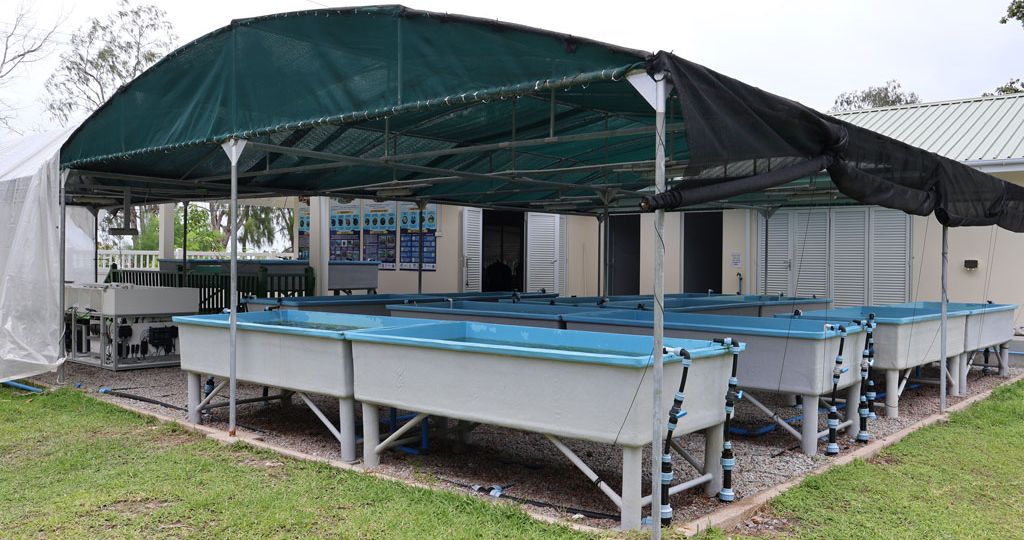
“Seychelles already has a foundation to build on and can be the global leader in this,” says Shah. The Assisted Recovery of Corals (ARC) facility on Praslin island has successfully maintained and propagated sexually reproduced corals under controlled conditions on land. The first facility of its kind in Africa it is an unprecedented example of Seychelles’ leadership in marine conservation. However, its future is threatened by uncertain funding.
With the UN Biodiversity Conference (COP17) opening in Armenia on 19 October and the UN Climate Change Conference (COP31) following in Türkiye in November, Nature Seychelles wants to make a direct appeal for international financing.
“World leaders are meeting to discuss biodiversity loss and climate change while countries like Seychelles are losing the ecosystems these agreements are supposed to protect. We need funding for practical measures like coral biobanking,” Shah says.
The expertise and infrastructure already exist. What is missing is secure, long-term financing. We cannot preserve our coral heritage through short-term projects that end just as the next crisis begins.